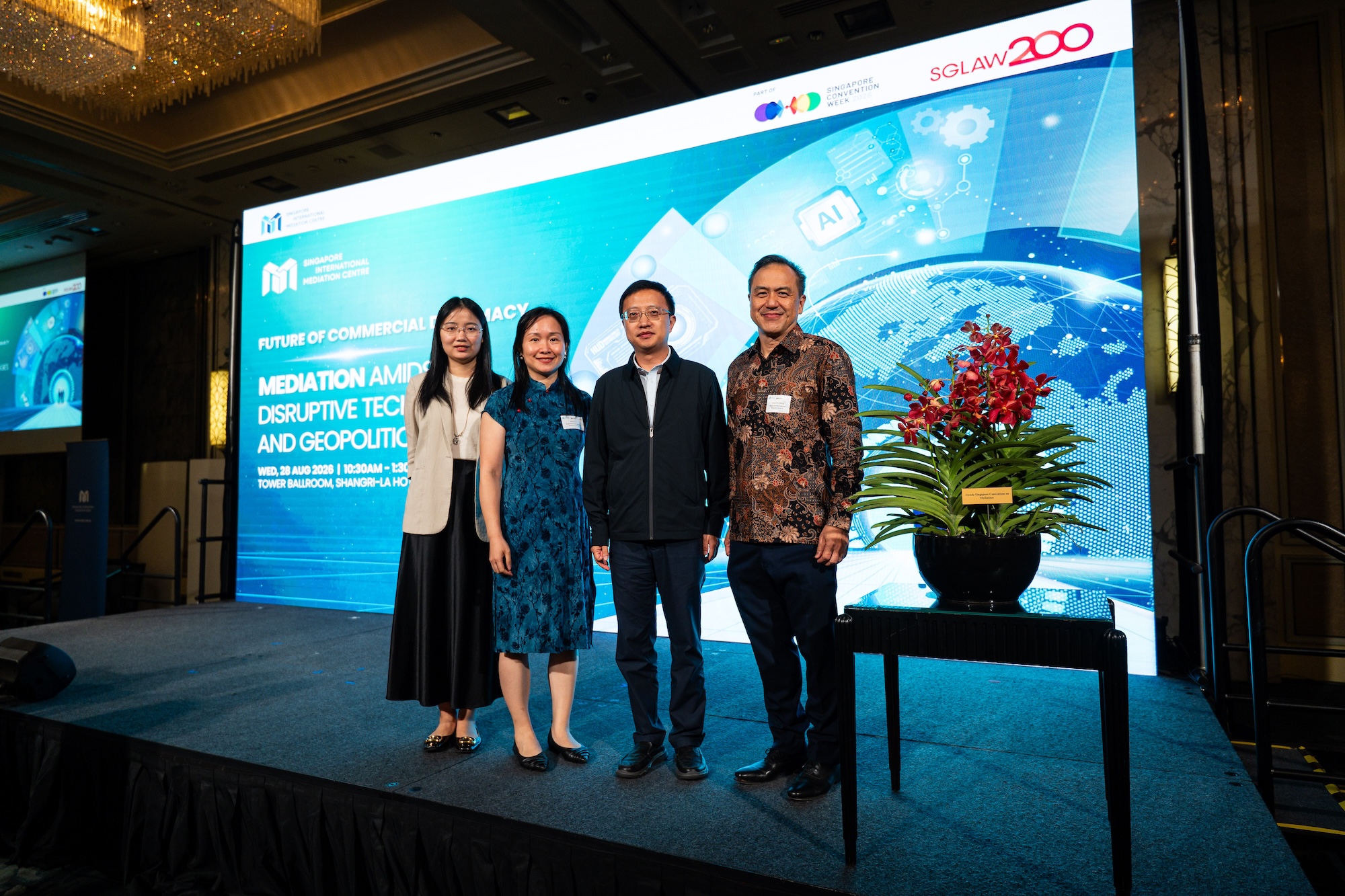


Future of Commercial Diplomacy: Mediation Amidst Disruptive Technologies and Geopolitics
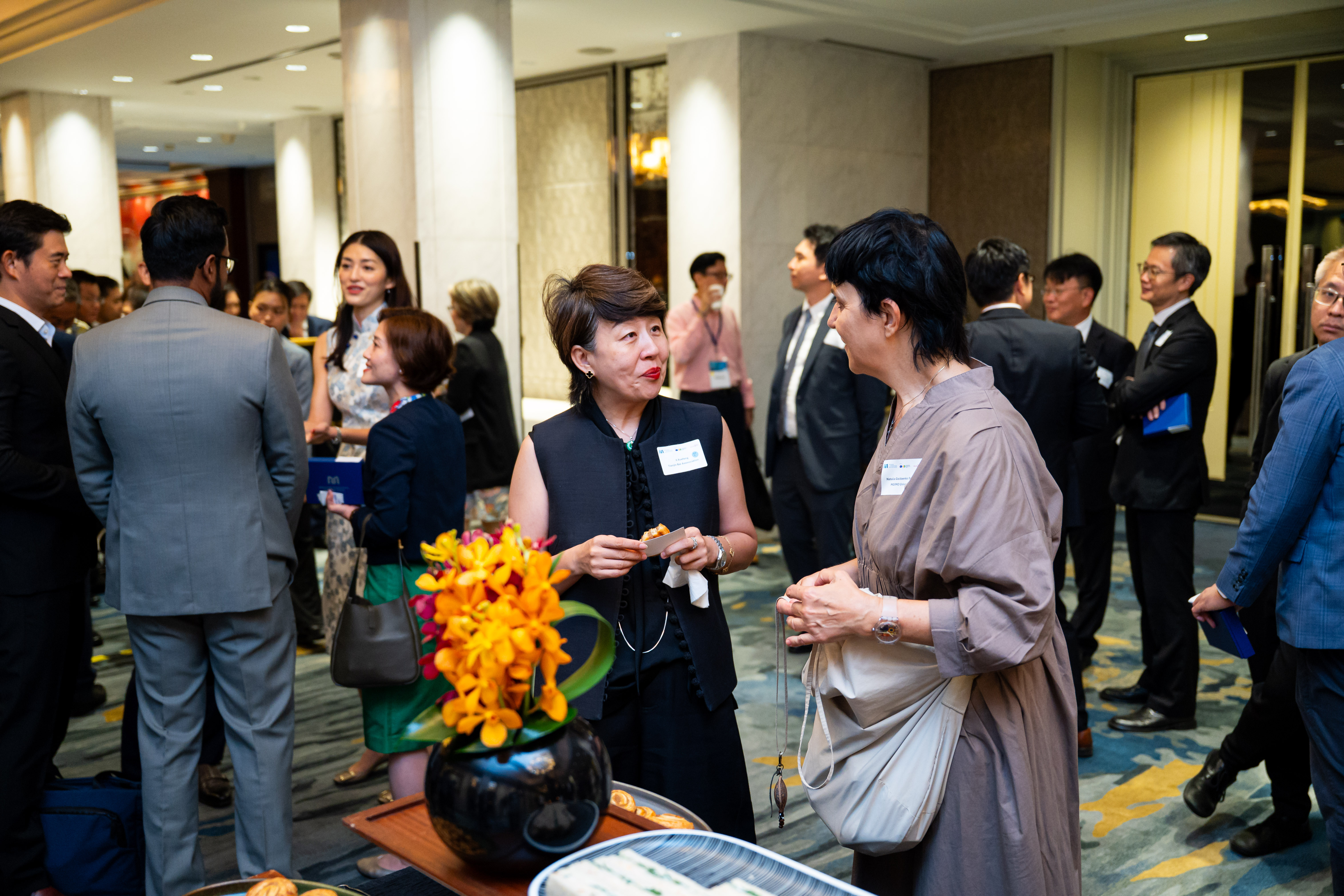
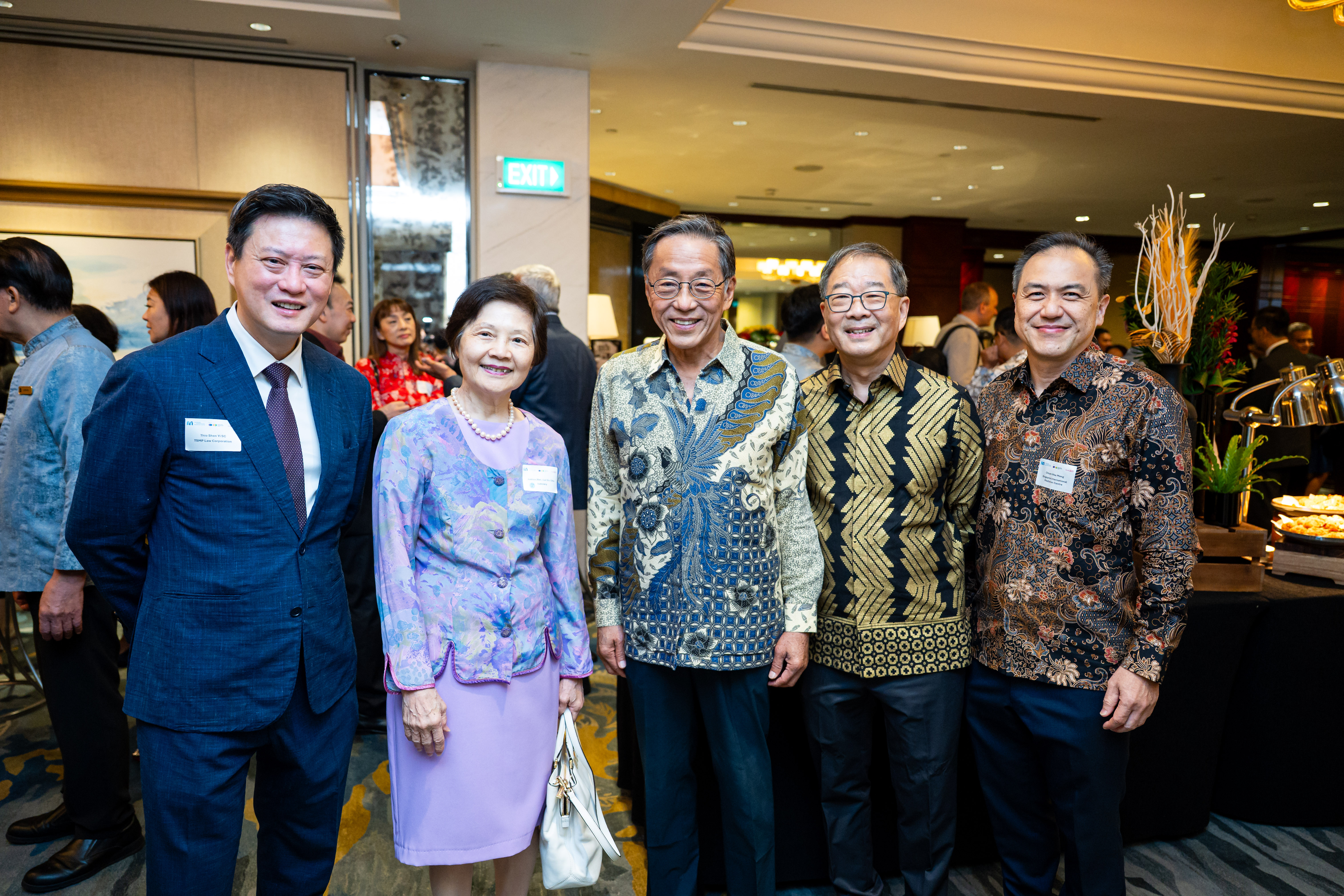
On 26 August 2026, the Singapore International Mediation Centre (SIMC) hosted its annual Signature Event as part of Singapore Convention Week 2026, bringing together partners, friends and members of the international mediation community, including many who travelled to Singapore for the occasion.
Centred on the theme, “Future of Commercial Diplomacy: Mediation Amidst Disruptive Technologies and Geopolitics,” the event welcomed over 250 attendees from about 30 countries. It has brought together leaders and practitioners to reflect on the forces reshaping the global landscape and the role mediation can play in helping businesses and parties navigate an increasingly complex world.
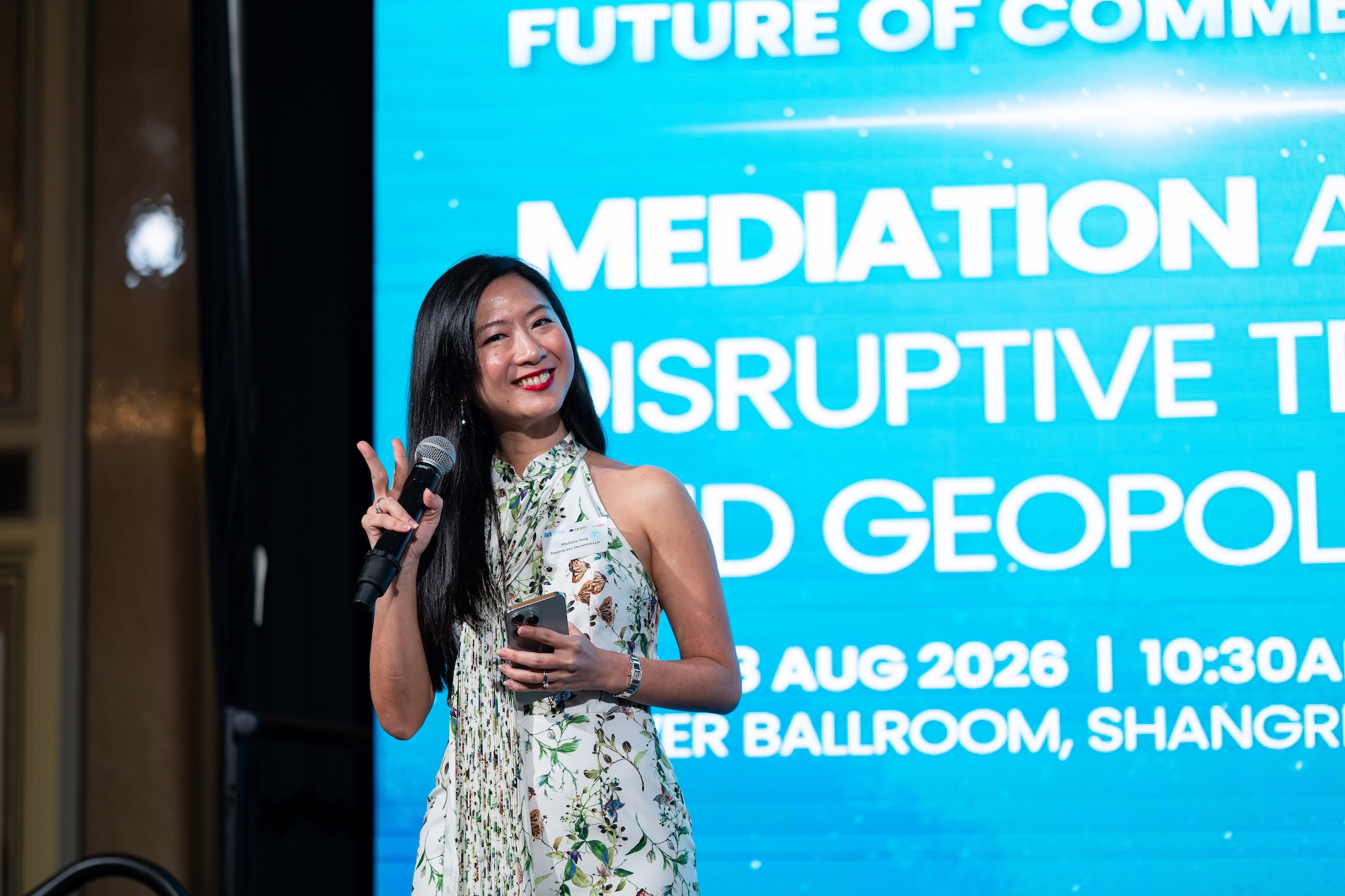
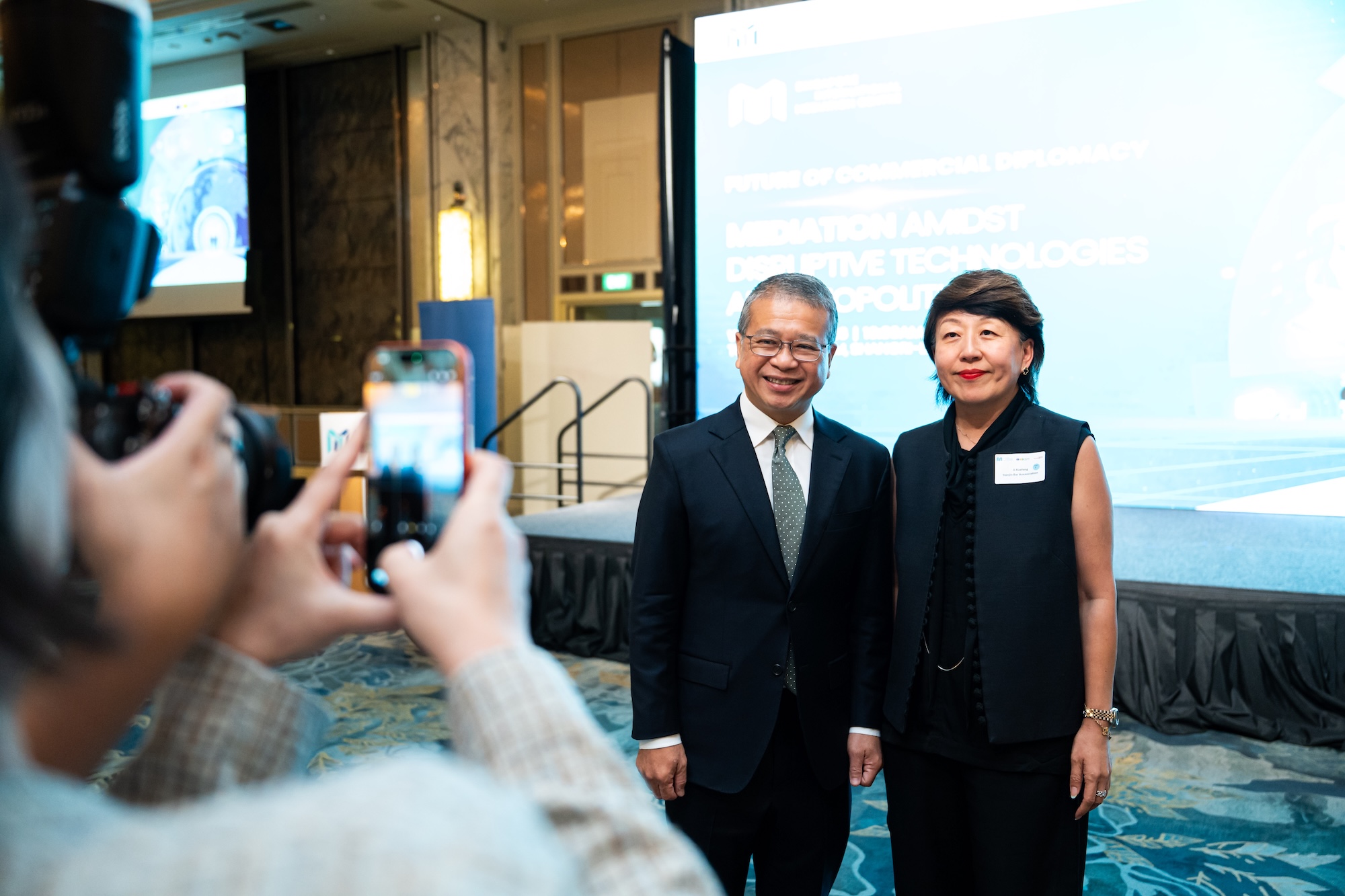
We were honoured to have been joined by Minister Edwin Tong SC, Minister for Law and Second Minister for Home Affairs, as our Guest of Honour. We were also pleased to welcome Mr. Ho Kwon Ping, Founder and Executive Chairman of Banyan Group, whose contributions to Singapore’s business and hospitality sectors, as well as his wider leadership and public service, have made him a respected voice in the region. Ms. Michelle Yong, Partner at Stephenson Harwood LLP, served as the event’s emcee, guiding guests through the day’s discussions and proceedings.
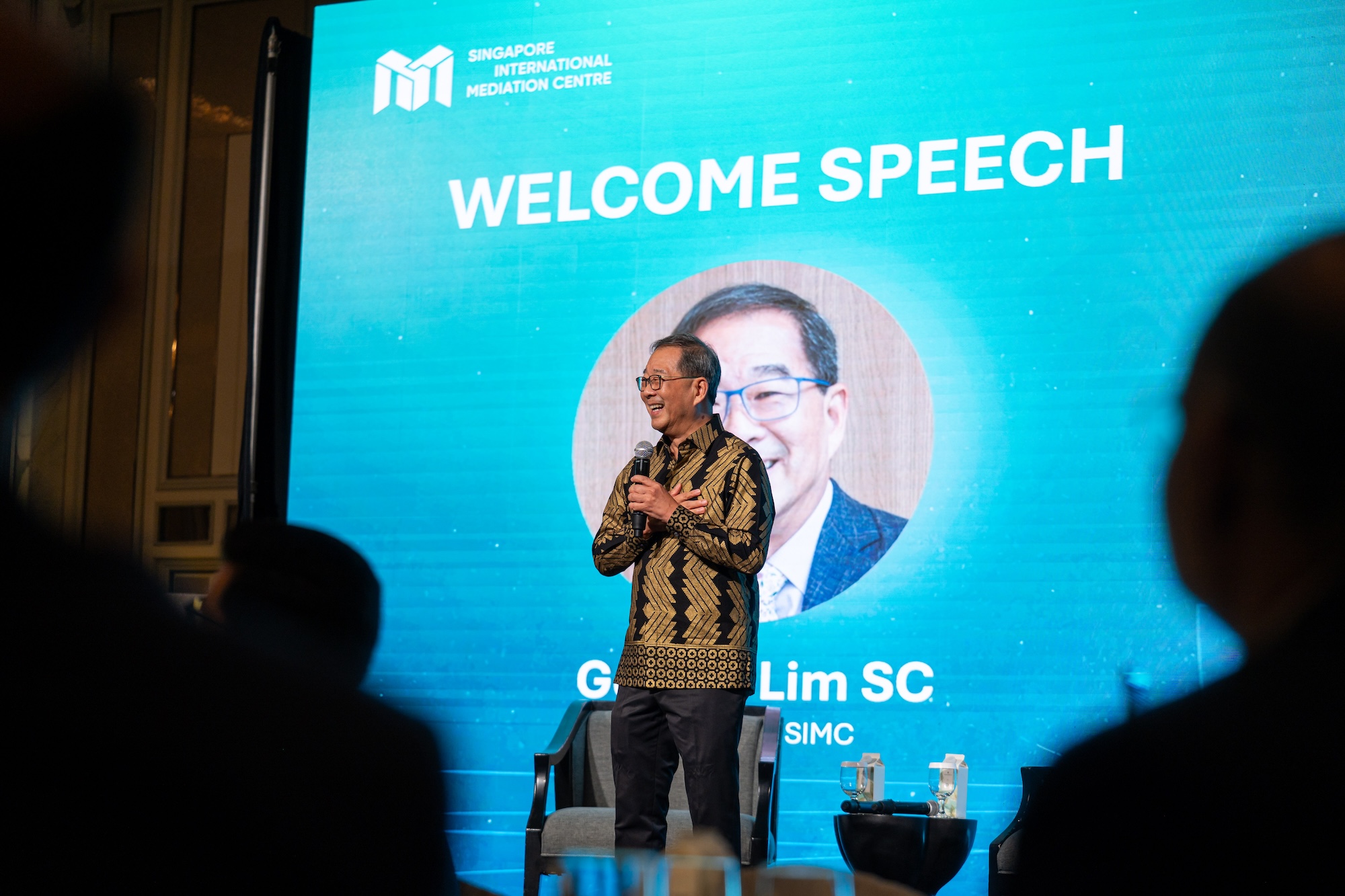
SIMC Chairman, Mr. George Lim SC during his Welcome Speech.
Navigating an increasingly complex world
SIMC Chairman, Mr. George Lim SC, delivered the welcome address and set the stage for the day’s discussions on the evolving landscape in which mediation operates today. In his address, Mr. Lim took the opportunity to acknowledge the representatives of countries and jurisdictions that have supported SIMC’s efforts to advance mediation internationally. He welcomed Mr. Gavin Glover SC, Attorney General of the Attorney-General's Office Mauritius, following Mauritius’ ratification of the Singapore Convention on Mediation on 17 August, and expressed his appreciation to Minister of Justice Akbar Tashkulov of the Ministry of Justice of the Republic of Uzbekistan as Uzbekistan prepared to accede to the Convention. As of the publication of this article, Uzbekistan acceded to the Convention on 28 August.
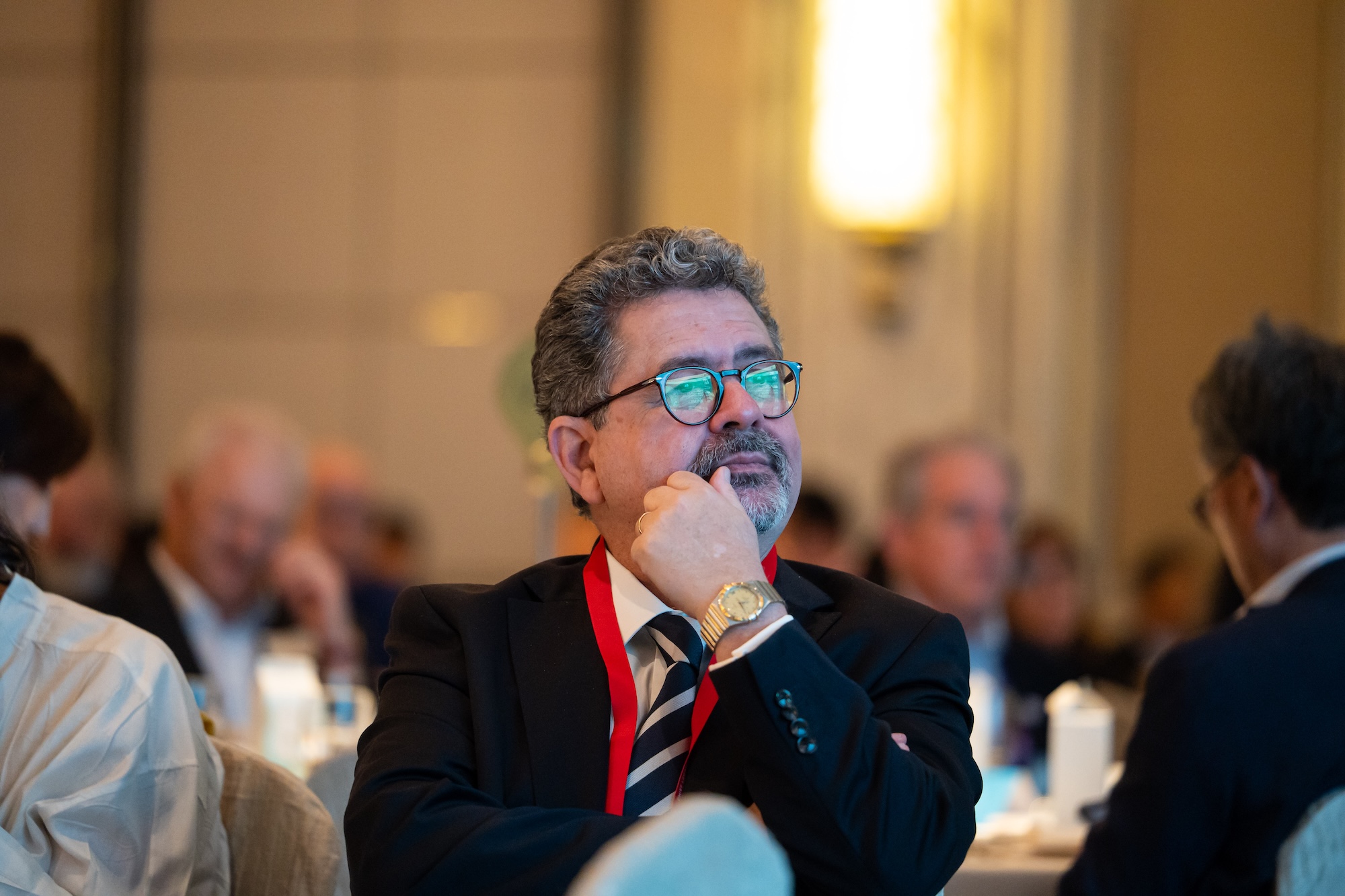
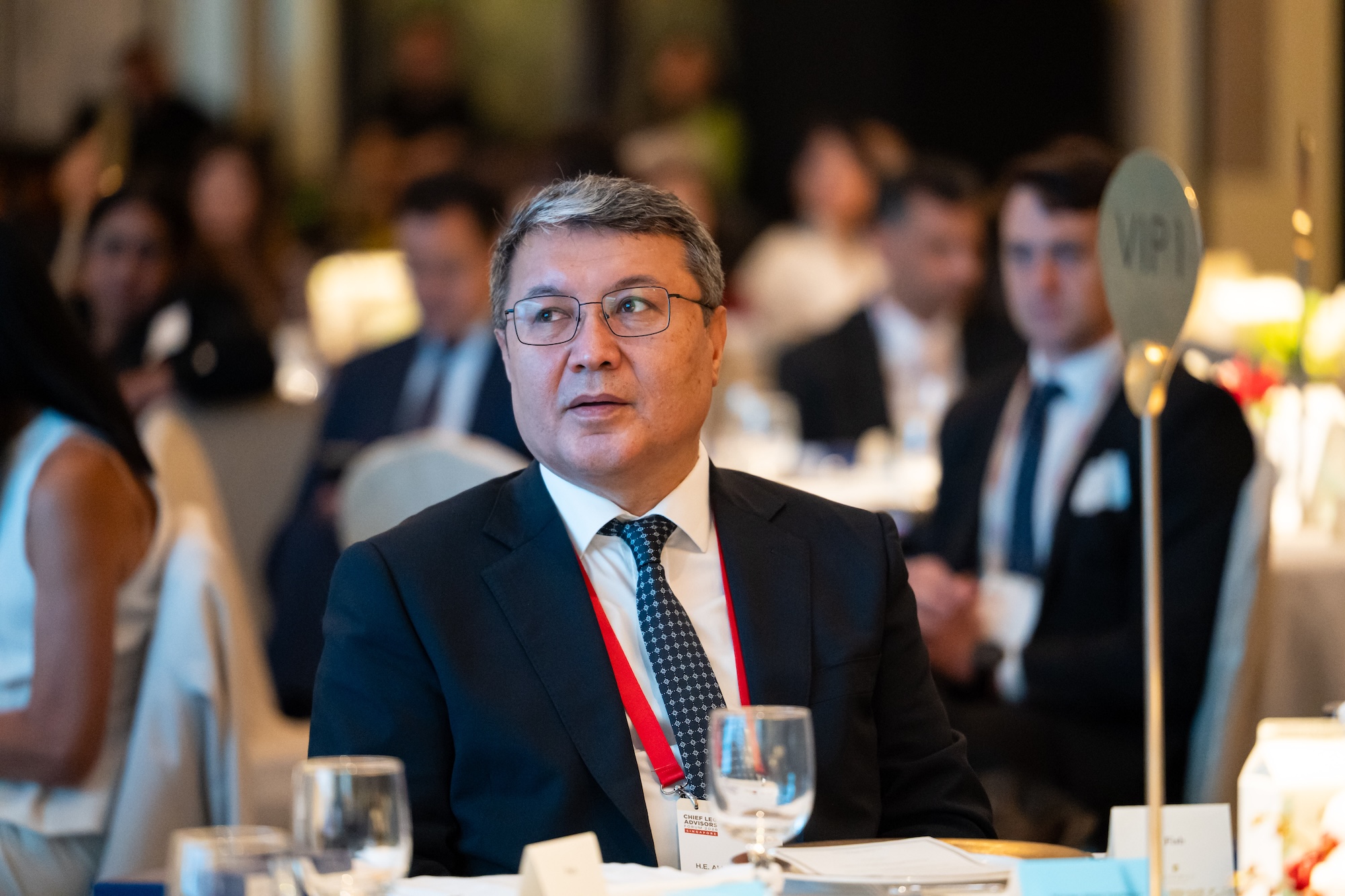
Mr. Gavin Glover SC, Attorney General of the Attorney-General's Office Mauritius (left) and Minister of Justice Akbar Tashkulov of the Ministry of Justice of the Republic of Uzbekistan (right).
Mr. Lim’s engagement with guests from other countries provided insights into their progress towards the Convention, with Jamaica and Malaysia highlighted as two States Parties making good progress and likely to ratify the Convention in the coming months. These exchanges reflected the growing international engagement with mediation and the importance of continued collaboration in strengthening its use across borders.
Mr. Lim also shared his reflections on why mediation is gaining momentum, pointing to several developments contributing to its growing role. Courts in many jurisdictions are facing increasing caseloads, making mediation an important avenue for resolving disputes efficiently and constructively. Governments are also increasingly recognising its value as part of their broader approaches to dispute resolution, while a growing international community of practitioners and policymakers continues to work together to advance mediation and strengthen its role in the global dispute resolution landscape.
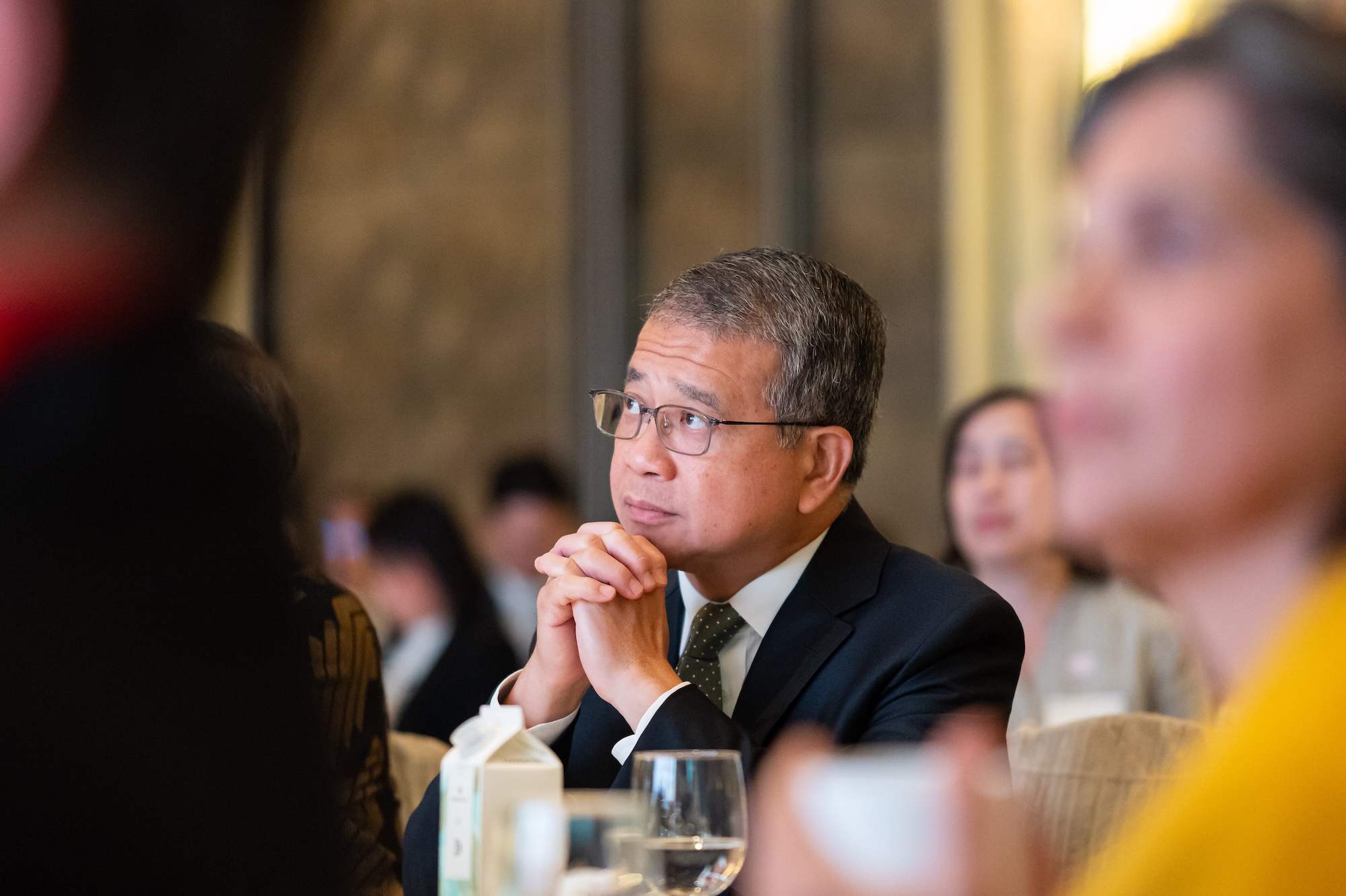
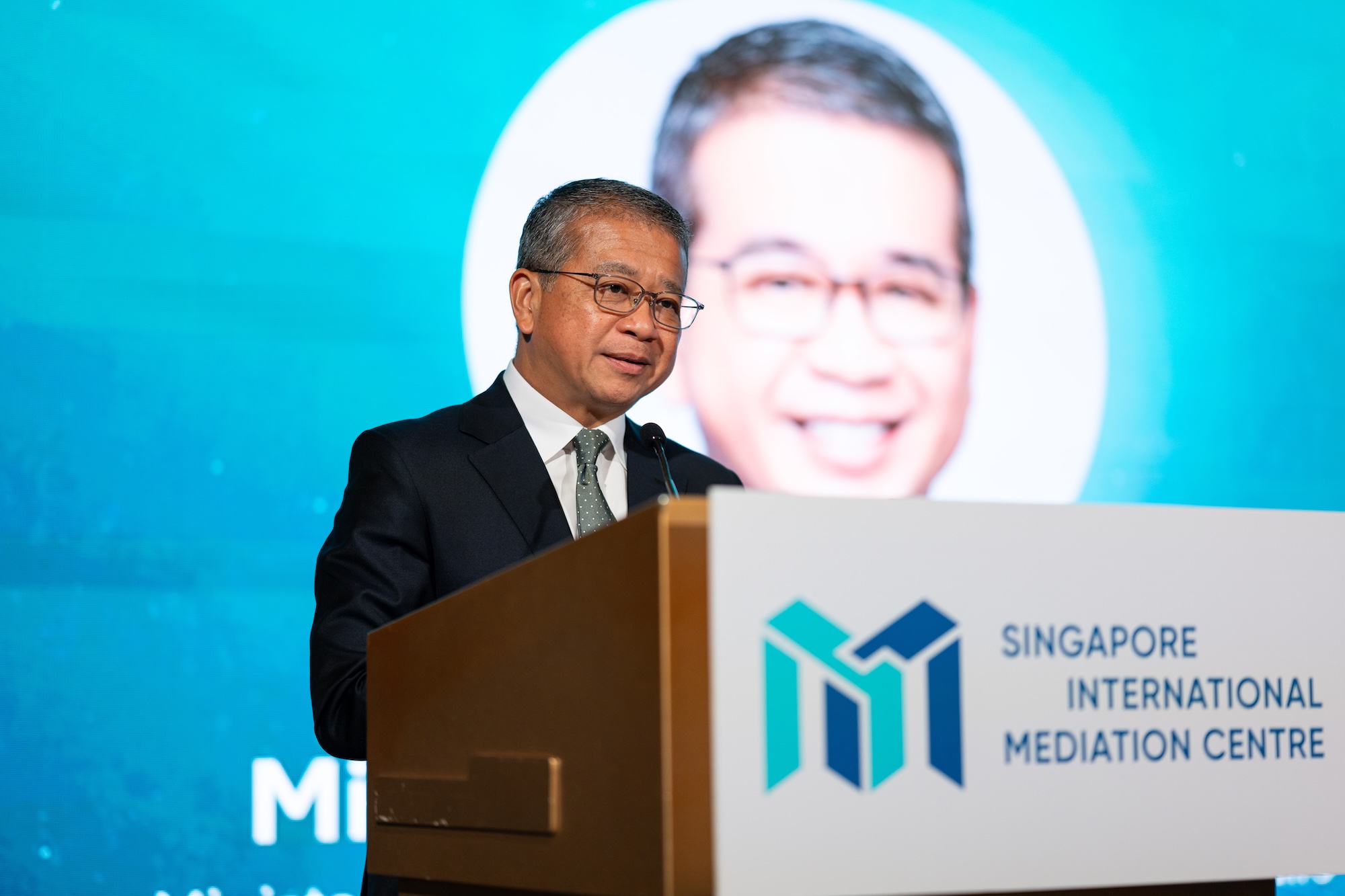
Minister Edwin Tong SC, the Guest of Honour, listening attentively during the SIMC Update (left), Minister Tong addressing the attendees during his Keynote Address (right).
The future of alternative dispute resolutions
In his Keynote Address, Guest of Honour, Minister Edwin Tong SC reflected on the quality of dialogue and networking that characterised Singapore Convention Week, against the backdrop of an increasingly contested international system and growing pressure on the rules and institutions that underpin it.
In this environment, Minister Tong highlighted the growing importance mediation can play. He noted the paradox that, as consensus becomes harder to achieve, the ability to find common ground and work towards win-win solutions becomes more important than ever. Mediation does not require parties to agree on everything; rather, it is about finding enough common ground to move forward, preserve important relationships and resolve differences in a constructive and cost-efficient manner. As observed, the question is not always who was legally right in the past, but how parties can find a constructive way forward for the future.
Minister Tong also emphasised that mediation should not be viewed simply as an alternative to arbitration or litigation, but as a complement to them, with different dispute resolution mechanisms working together at different stages of a dispute. He highlighted the growing recognition of this approach in Investor-State disputes, noting recent developments by ICSID and UNCITRAL that have strengthened the framework for these mediation:
- In 2022, ICSID introduced dedicated Investment Mediation Rules.
- In 2023, UNCITRAL adopted its Guidelines and Model Provisions on Mediation for International Investment Disputes.
- In 2025, UNCITRAL followed with its Toolkit on Prevention and Mitigation of International Investment Disputes, placing mediation within a broader range of tools available to both States as well as investors.
- ICSID revived its Investment Mediation Insights series last year, and this year, has explored practical questions, such as: Can we enter amicable settlement, how will States manage investment disputes domestically, and how can mediation and arbitration work together?
While mediation requests continue to lag behind those for arbitration, Minister Tong viewed this gap as an opportunity. He pointed to the need for stronger infrastructure and frameworks to support the wider use of mediation, noting that while arbitration has benefited from a well-established infrastructure, there remains significant room to develop the systems that can also allow mediation to reach its full potential.
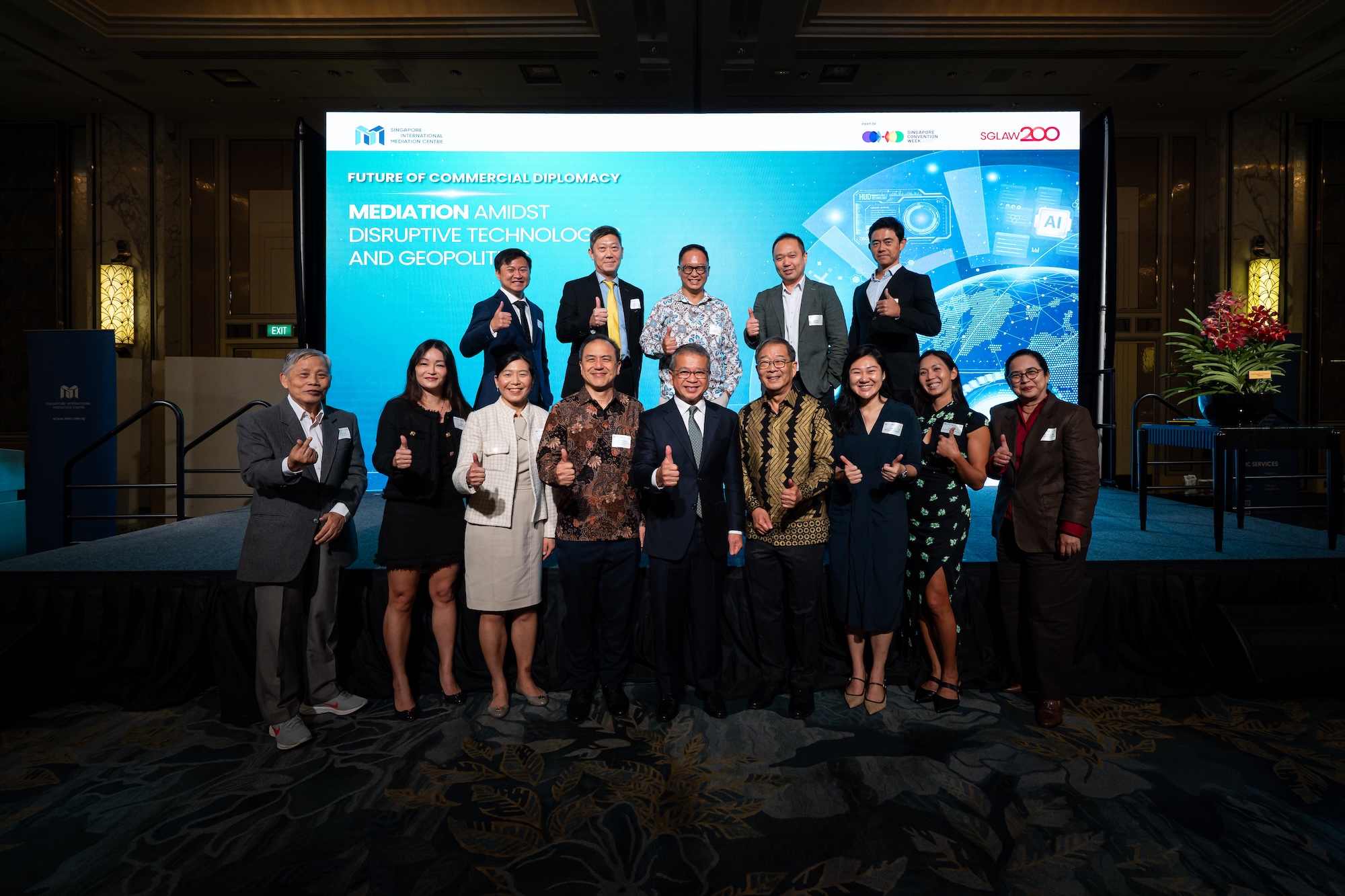
Group photo of SIMC’s April 2026 batch of the Singapore Specialist Mediators’ Workshop with Minister Edwin Tong SC, Mr. George Lim SC and Mr. Chuan Wee Meng.
Following the Keynote Speech, Minister Tong took a group photo with participants from SIMC’s April 2026 batch of the Specialist Mediators’ Workshop held in Singapore. The moment marked their successful completion of the training and their entry into SIMC’s growing panel of Specialist Mediators, recognising their commitment to strengthening their mediation practice and contributing to the development of mediation.
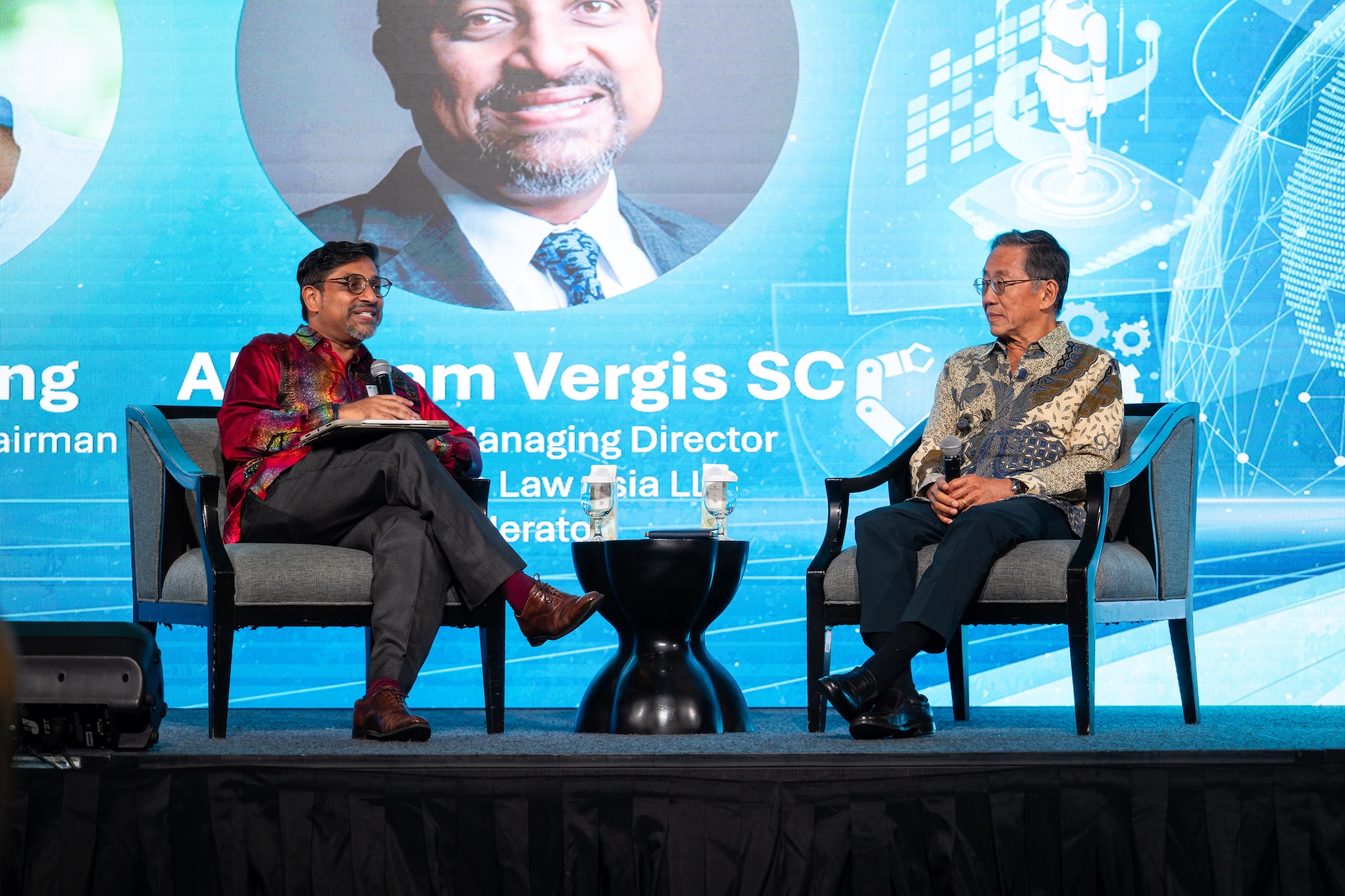
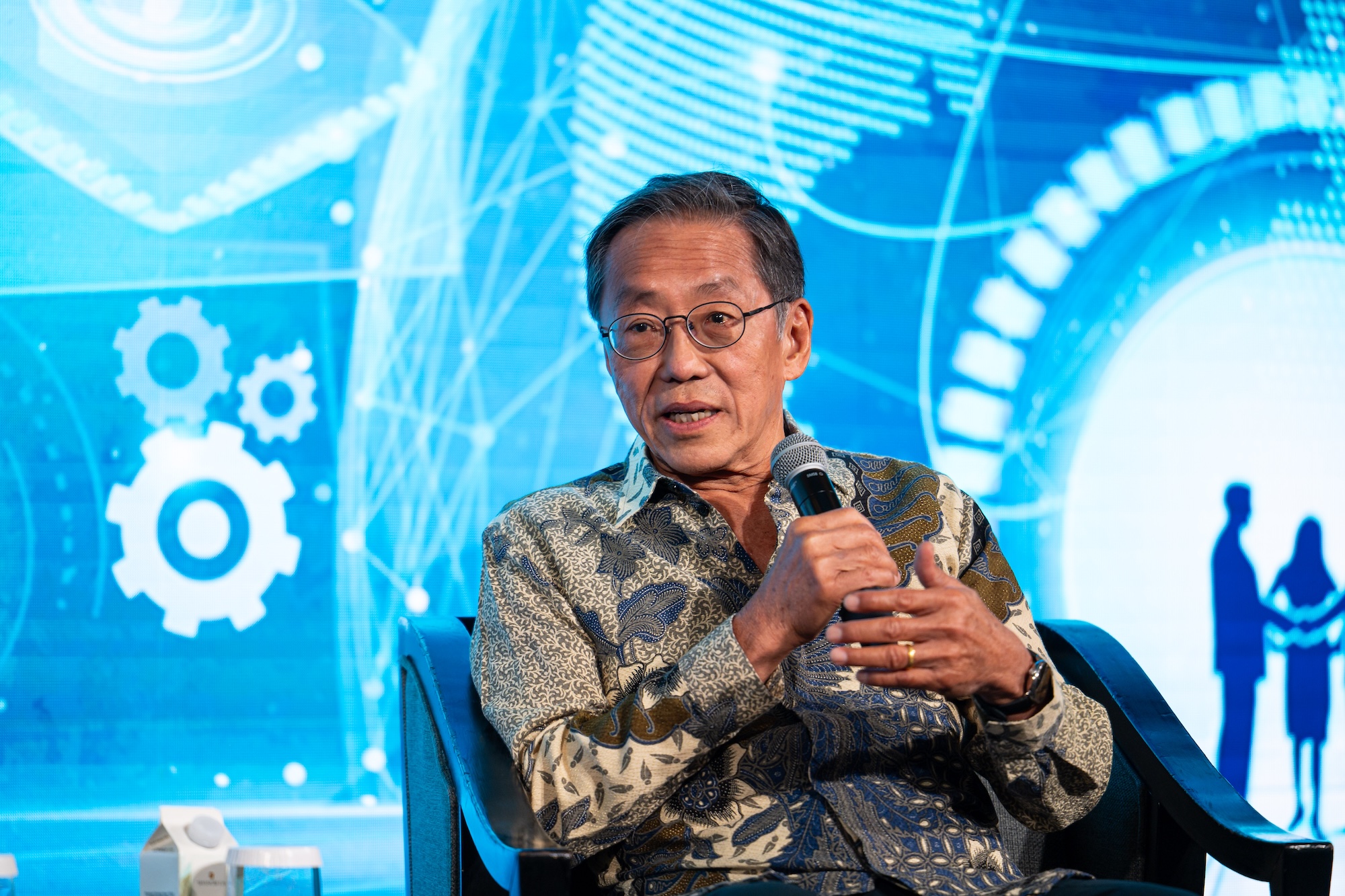
(Left to right) Mr. Abraham Vergis SC moderating the fireside chat, featuring our guest speaker Mr. Ho Kwon Ping.
A fireside chat on business, diplomacy and perspective
The fireside chat with special guest Mr. Ho Kwon Ping, moderated by Mr. Abraham Vergis SC, Managing Director of Providence Law Asia LLC, brought together perspectives from the worlds of business, diplomacy and dispute resolution. The conversation explored themes of leadership and decision-making, as well as the importance of navigating differences with perspective and humility.
On the importance of moving beyond personal grievances, Mr. Ho shared a lesson that lies at the heart of mediation: the ability to put ourselves in another person’s shoes. Drawing from Banyan Group’s service culture, he spoke of the philosophy “I am with you” — not as an indication of agreement, but as an acknowledgement that we understand where another person is coming from.
He also spoke about how this shift in perspective can help us move past the anger and personal grievances. By recognising that the other party may not be acting out of personal ill will, but rather in what they believe to be the best interests of the organisation or institution they represent, we can begin to understand their motivations and see the situation differently.
The conversation also touched on Singapore’s multicultural identity and its role in navigating an increasingly fractured world. Mr. Ho reflected on how Singapore’s ability to understand different cultures and perspectives, while remaining politically independent and committed to the rule of law, has enabled it to build bridges across Asia and the West. An approach that reflects SIMC’s own philosophy in international mediation.
Turning to the evolving role of technology in mediation, Mr. Ho noted that while AI can help generate a range of possible options, it cannot replace the mediator’s ability to understand and evaluate emotional states. Bridging these human dimensions requires a high degree of emotional intelligence, as well as the innovation and creativity to develop solutions that may not be immediately apparent. In this, he emphasised, lies the distinctive skill of the mediator.
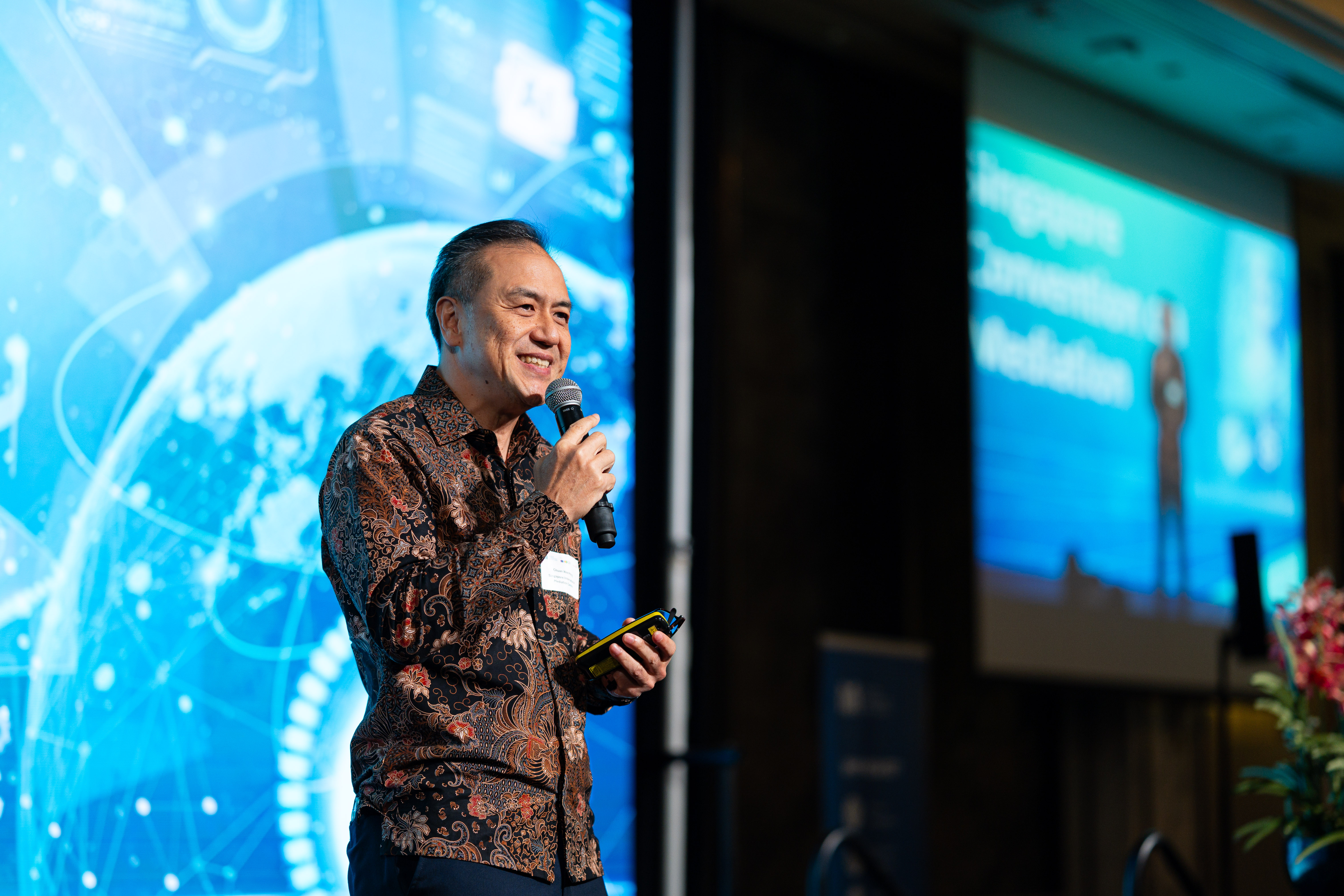
SIMC CEO Mr. Chuan Wee Meng during his presentation on the update on SIMC.
What's next for SIMC?
In the SIMC Update Session, CEO Mr. Chuan Wee Meng shared updates on SIMC’s recent international engagements and ongoing developments, including its case management work, the growth of its capacity-building programmes, and efforts to promote the Singapore Convention on Mediation, and the continued development of MAIA, SIMC’s Mediation AI Assistant. The session also featured a two-year update video highlighting MAIA’s evolution since its debut at SIMC’s 10th Anniversary event in 2024.
A key theme of his update was the value of building lasting relationships through sustained engagement. Drawing on SIMC’s work in Pakistan, Armenia and Uzbekistan, Mr. Chuan highlighted how year-on-year collaboration — from training programmes and workshops to conferences and institutional engagements — has helped deepen relationships and strengthen mediation capacity over time:
- In Pakistan, SIMC’s engagement began with a collaboration under the Commercial Law Development Program (CLDP) in 2023, followed by further training initiatives and an accredited mediators’ training workshop in 2024.
- In Armenia, an initial invitation to speak at Armenia International Arbitration Week in 2025 led to a Specialist Mediators’ Workshop in 2026, with a further mediation workshop with assessment and accreditation to come.
- In Uzbekistan, SIMC’s engagement dates back to 2019, with subsequent activities including Tashkent Law Spring and Uzbekistan Arbitration Week, a meeting with Minister of Justice Akbar Tashkulov in 2025, and a Specialist Mediators’ Workshop in 2026.
These engagements are a testament to SIMC’s approach to international capacity building: building connections over time, creating opportunities for knowledge exchange while working alongside local partners to strengthen mediation ecosystems in their respective jurisdictions.
Mr. Chuan also announced that SIMC and the Commonwealth Secretariat had signed a Memorandum of Understanding on 6 August 2026. The agreement followed discussions at the Singapore Ministry of Law’s side event in February during the 2026 Commonwealth Law Ministers Meeting in Fiji, and establishe a framework for cooperation in promoting the adoption and implementation of the Singapore Convention on Mediation across Commonwealth member countries. The signing, by Mr. Chuan and Mr. Tanmaya Lal, Deputy Secretary-General (Programmes) of the Commonwealth Secretariat, was commemorated through a special video premiered at the Signature Event:
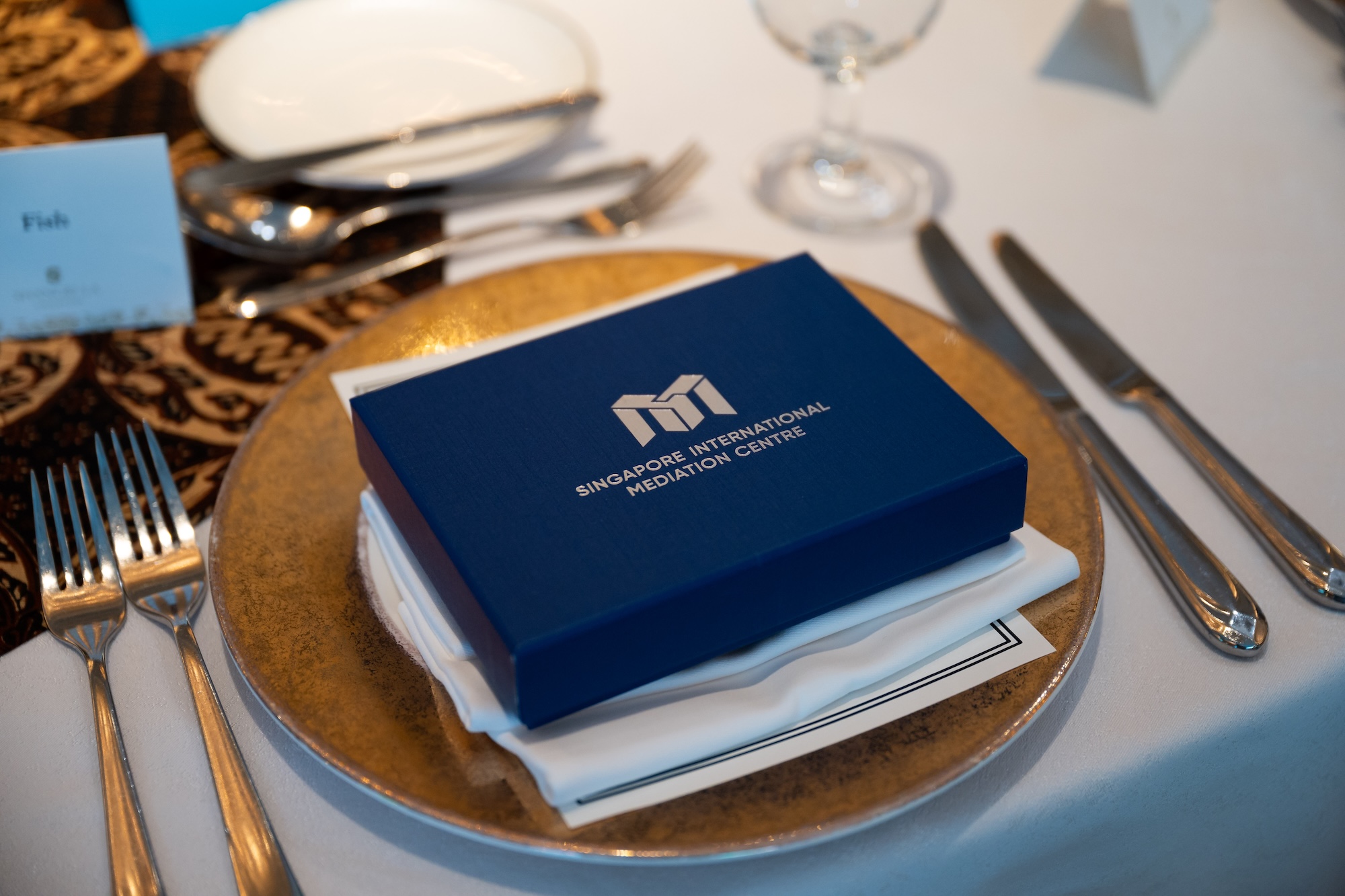
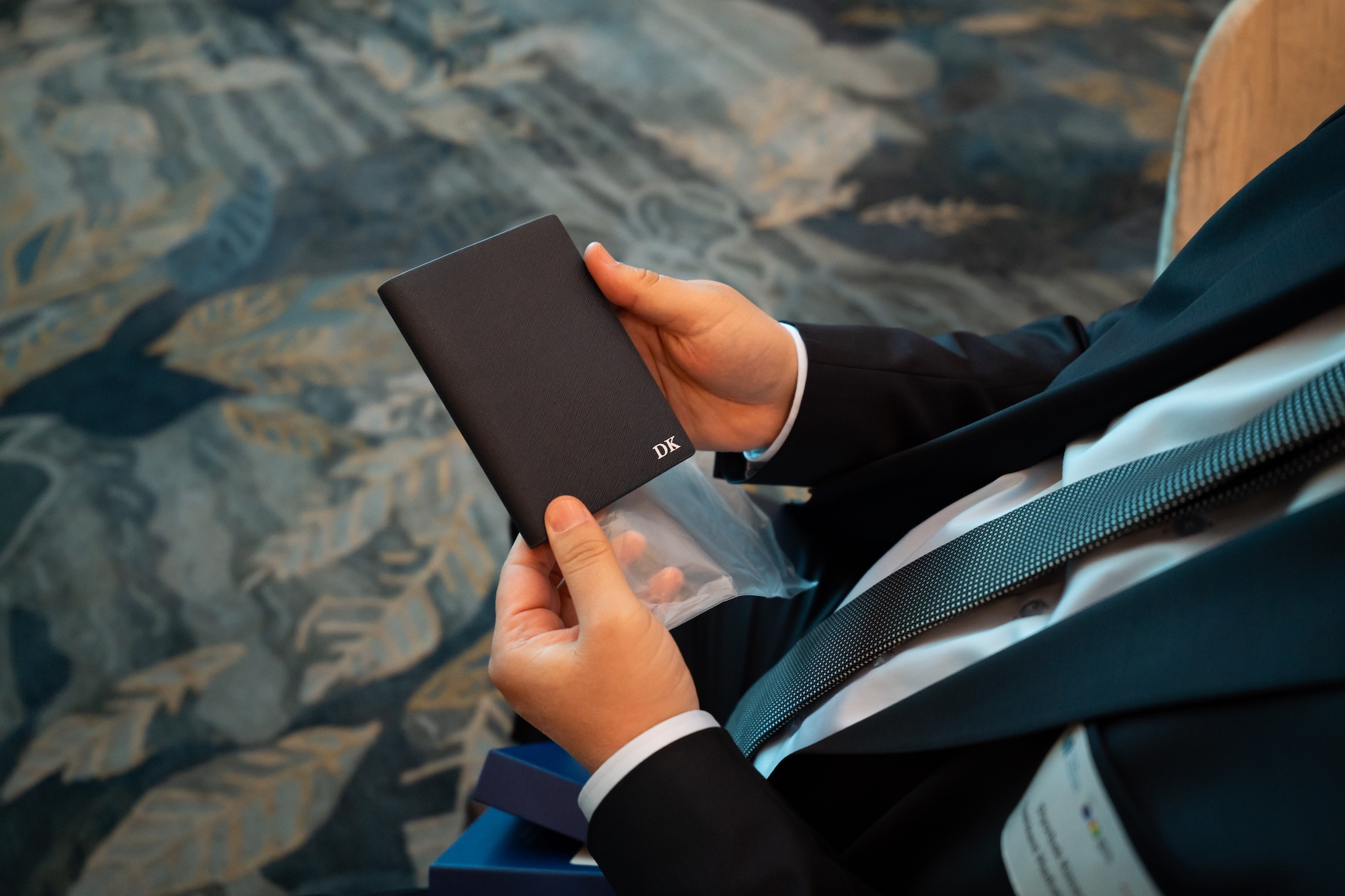
Personalised passport holders were prepared for all guests that attended the event.
In his closing remarks, Mr. Chuan noted that while we may come from different places and hold different values, there is one value that connects us all in the room: the rule of law. He emphasised that no matter how difficult, complex or challenging a conflict or dispute may be, there is a shared commitment to resolving it through peaceful and effective means.
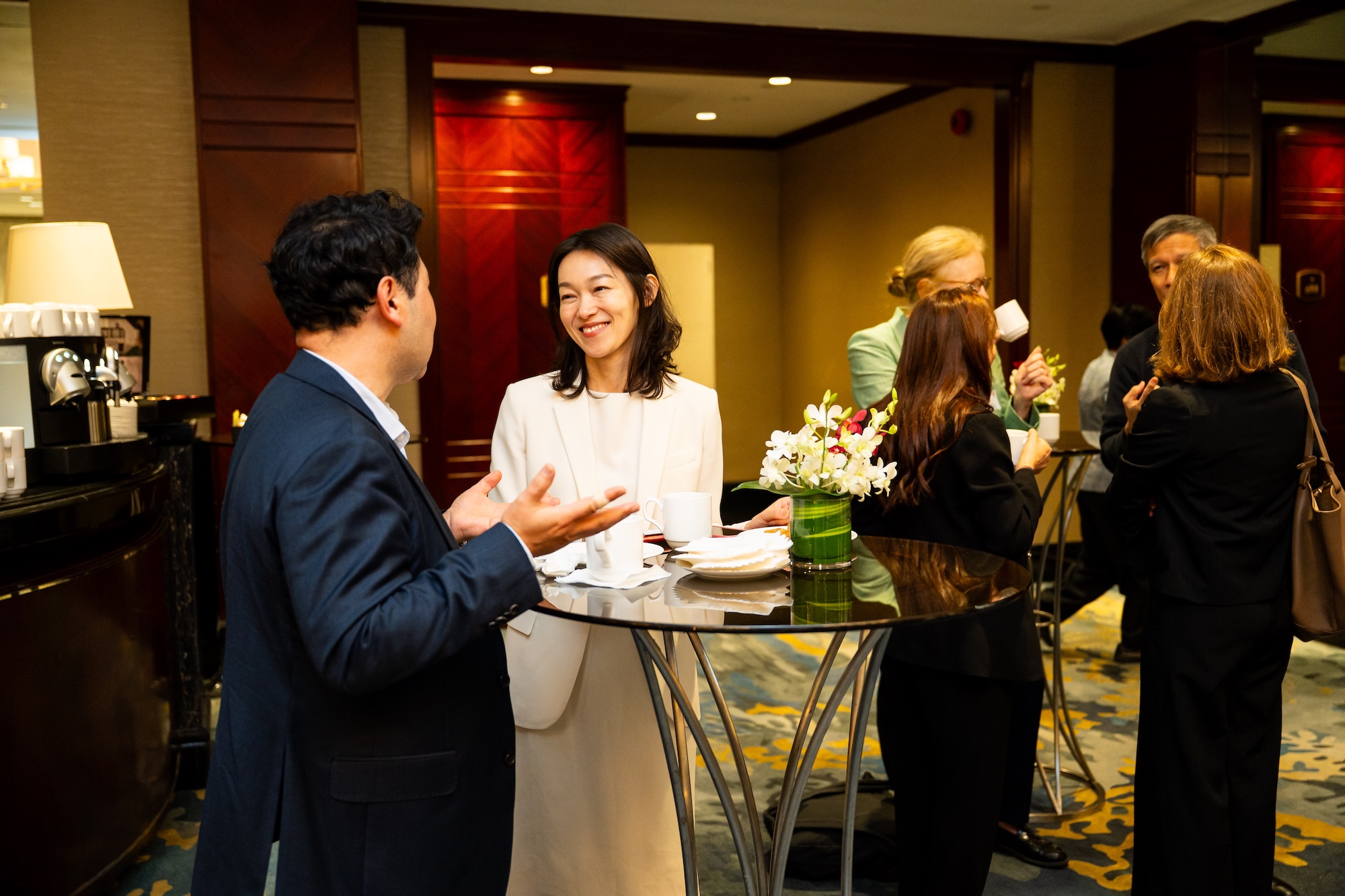
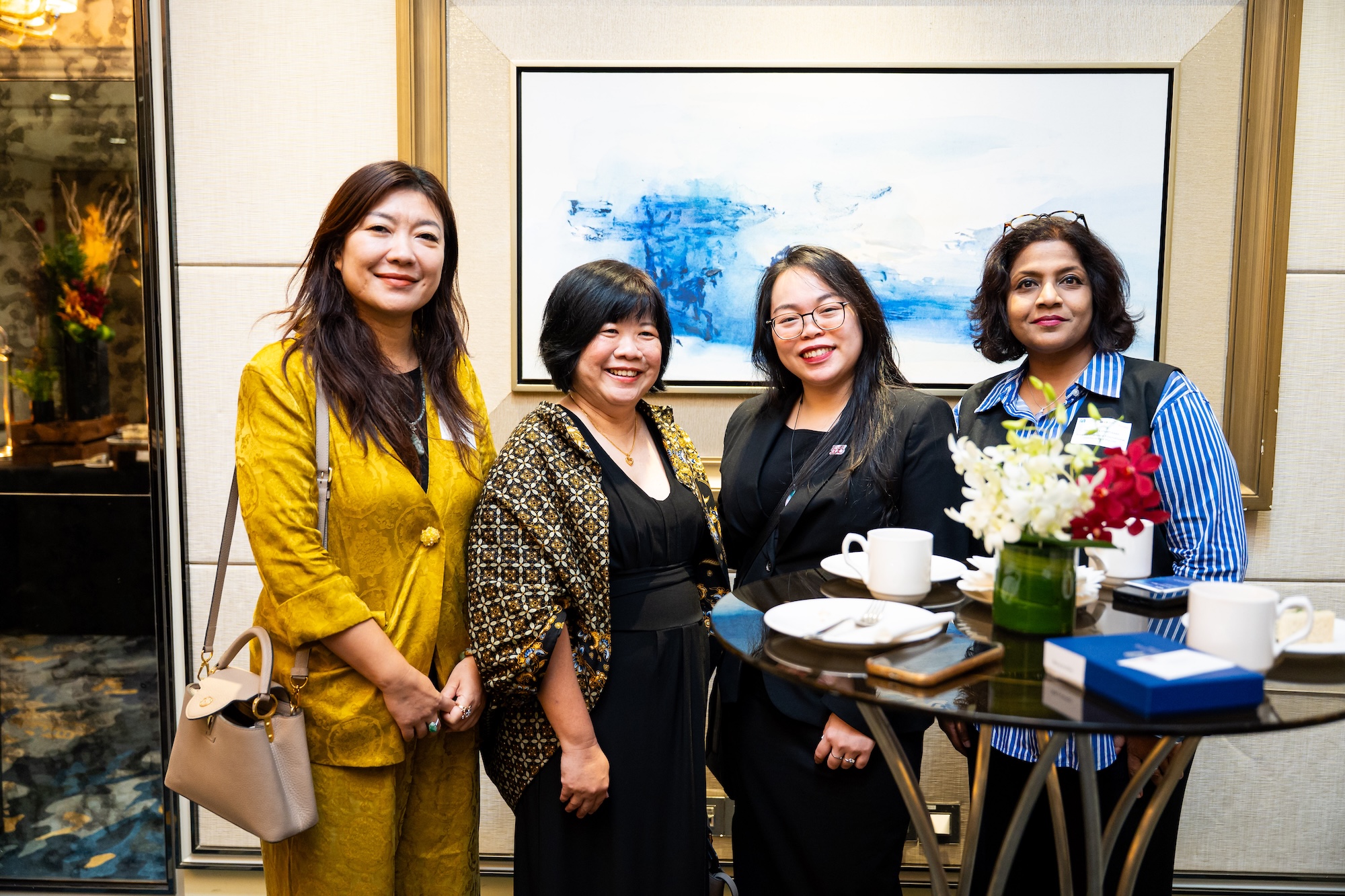
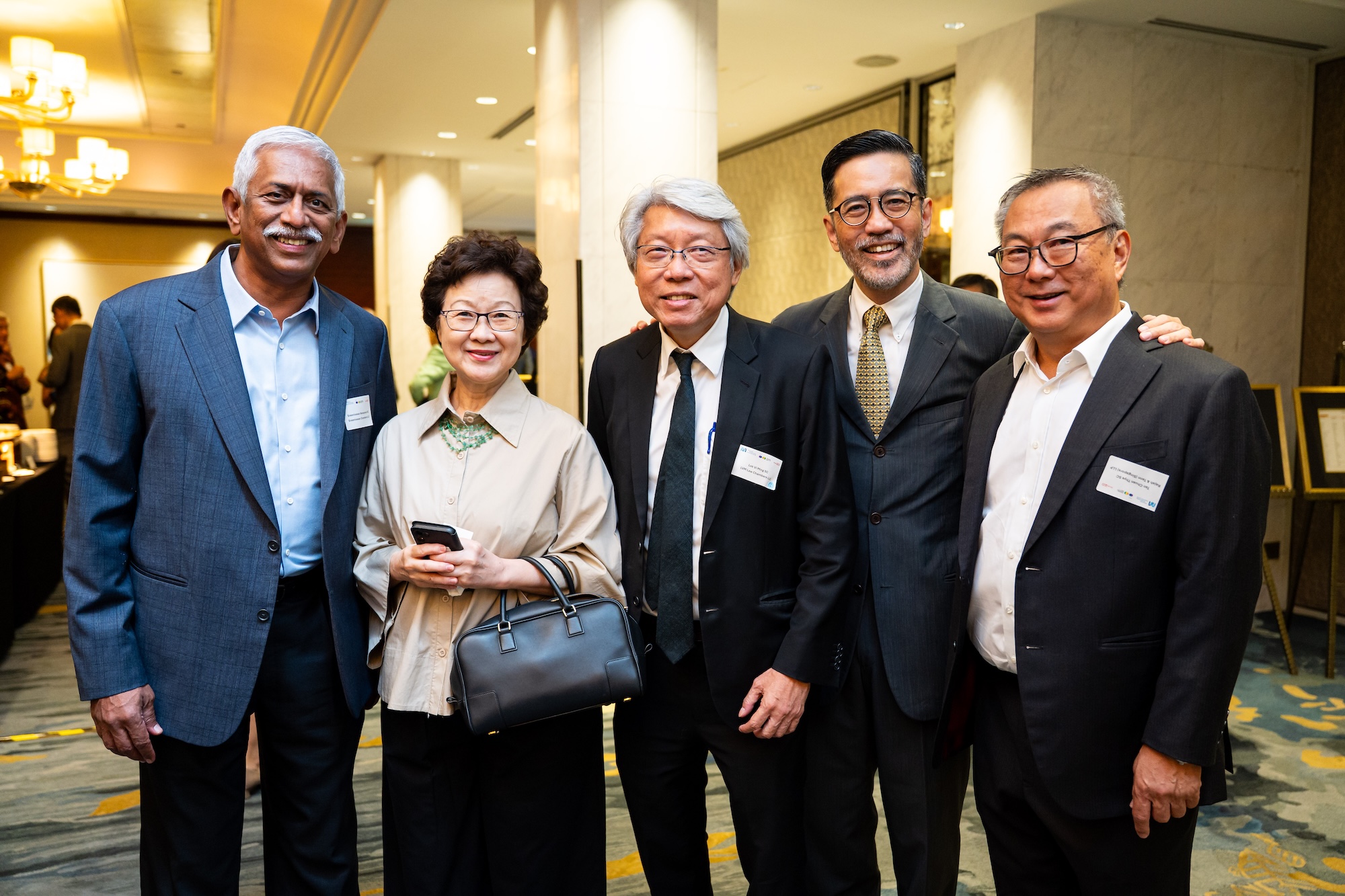
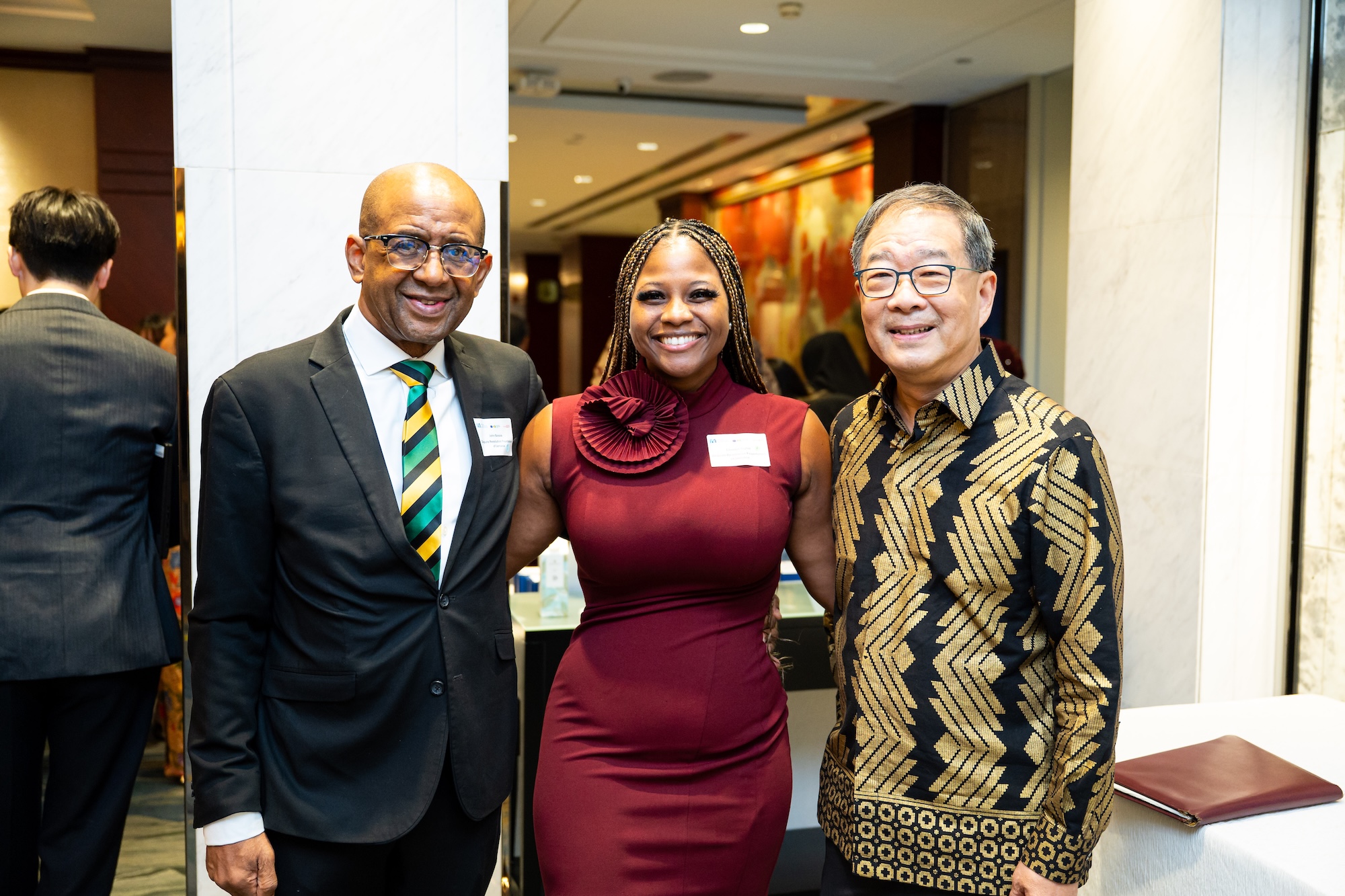
SIMC is grateful to all our speakers, partners and friends who joined us for this year’s SIMC Signature Event, especially those who travelled to Singapore to be part of the occasion. To revisit some of the highlights from the day, we invite you to watch our event highlight video, which captures moments from the conversations, connections and exchanges that made the occasion memorable. A selection of event photos is also featured below.
As we look towards the future, SIMC remains committed to advancing mediation and fostering meaningful dialogue across borders and sectors. In a world shaped by disruption and change, the ability to listen, understand and find common ground may be more important than ever.
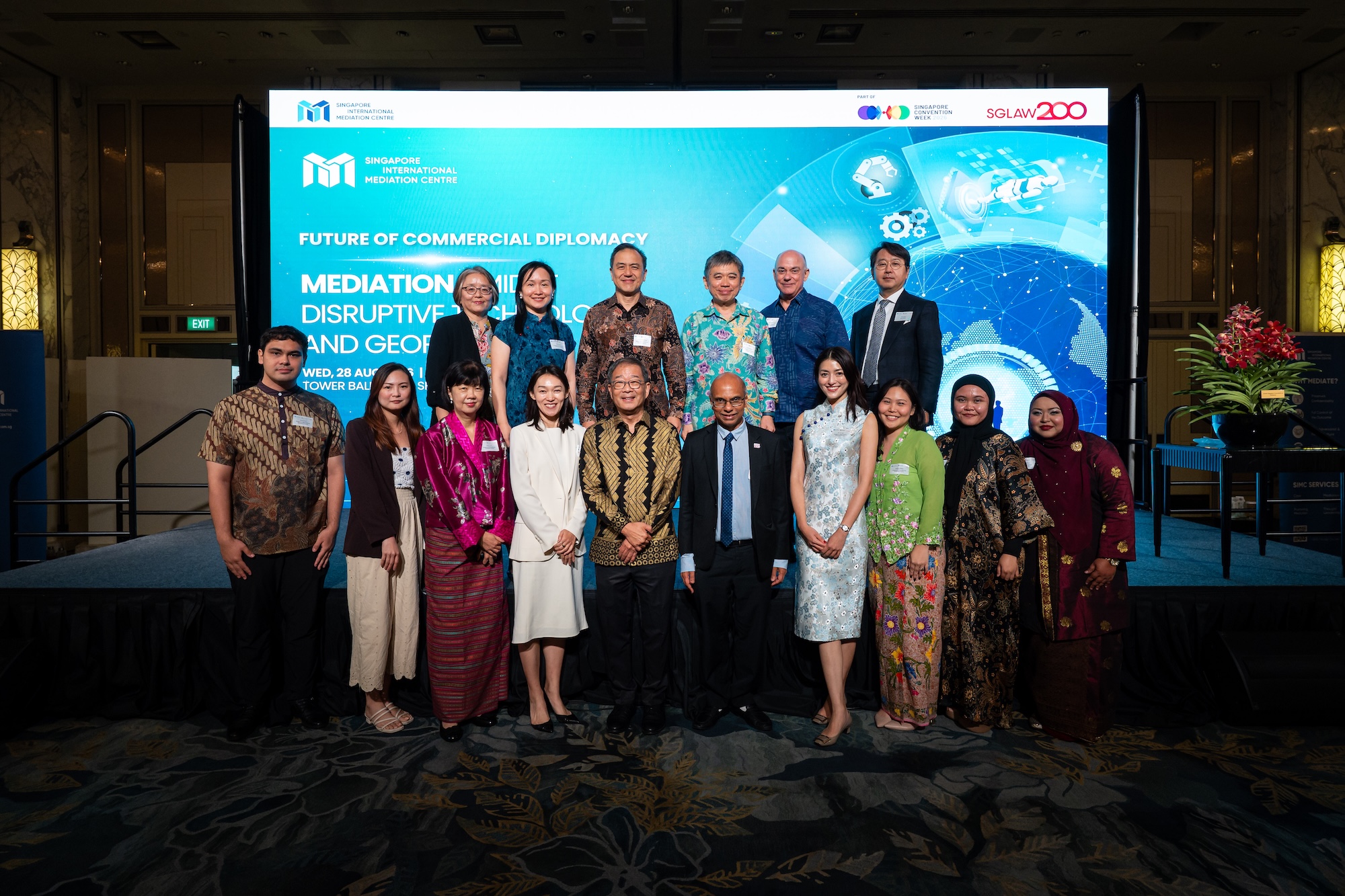
Group photo with SIMC Board Members and SIMC staff.